Can Stress and Heat Make Tinnitus Worse?
Toledo summers have their own particular kind of sticky. Humidity hangs in
By: admin | April 22, 2026
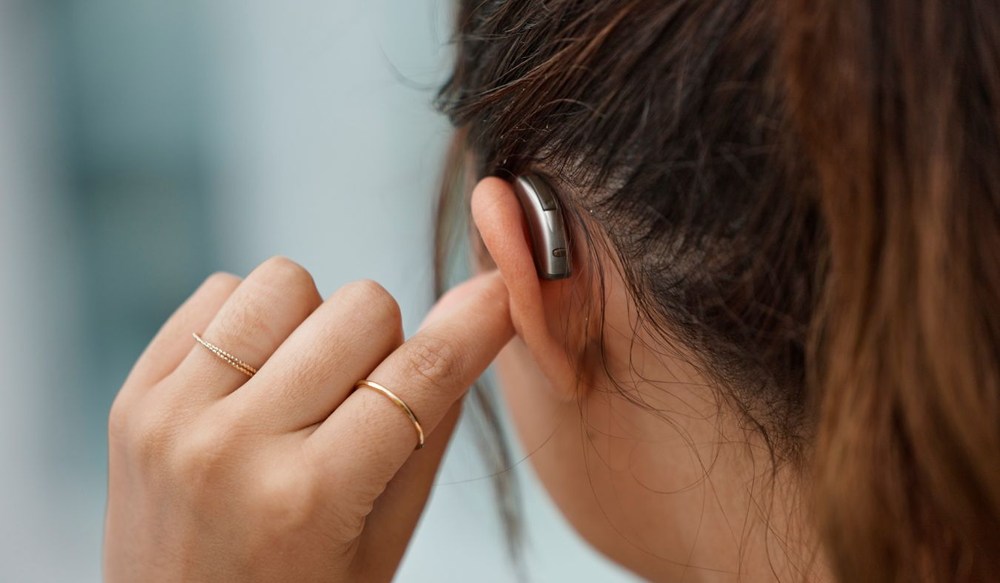
If you wear hearing aids, allergy season probably brings a familiar frustration that goes beyond the usual sneezing and congestion. There is that persistent itch deep in your ear canal, the kind that seems to show up right around the time everything outside starts blooming.
It is easy to chalk it up to a coincidence, but there is an explanation for why it happens and knowing what is behind it makes it a lot easier to manage.
When your body encounters seasonal allergens like pollen, mold and dust, it releases histamines that trigger mild inflammation in the skin throughout your body, including the thin, sensitive skin lining your ear canal.
But when you are wearing a hearing aid for most of the day, that device is sitting directly against already-reactive skin, reducing airflow and holding in warmth and moisture. That combination gives the irritation more room to build, and once you understand what is driving it, there are real practical steps you can take to get ahead of it each season.
Allergies do more to your ears than most people expect. When your immune system reacts to something in the environment, the inflammation that follows is not limited to your nose or eyes.
It can affect the lining of your ear canal and the area around your Eustachian tube, which changes how your ears feel and sometimes how well they function on a given day.
That experience is different for everyone. Some people notice an itching or sensitivity inside the ear that was not there before.
Others feel a sense of fullness or pressure that is hard to place, like the feeling in their ears that need to pop but never quite does. For some people sound can seem slightly muffled during peak allergy season, not dramatically, but enough to be noticeable in situations where hearing clearly actually matters to them.
Allergies don’t just stay in your nose and eyes, they can show up in your ears too, especially during peak allergy season. When everything is more irritated than usual, your ears can start to feel more sensitive, which becomes noticeable day to day, particularly if you’re wearing hearing aids.
A few allergy symptoms that tend to affect ear comfort include:
When pollen and other seasonal allergens are in the air, your immune system responds by releasing histamines, and that response causes inflammation in the soft tissues throughout your body.
The skin inside your ear canal is particularly thin and delicate, so even mild inflammation can make it feel noticeably different than it normally does. Understanding that connection makes it a lot easier to recognize what your ears are responding to during peak allergy season.
What that means practically is that things your ears would normally tolerate without any issue can start to feel more noticeable. Putting in hearing aids, cleaning your ears or even just touching the area around your ear can register differently because the skin is already in a heightened state.
Hearing aids work by sitting directly in or around your ear canal, which means they are in constant contact with the skin in one of the more sensitive areas of your body. That close fit is what makes them effective, but it also means that whatever is happening with your ears on a given day, your devices are right there in the middle of it.
During allergy season, when the skin inside your ear canal is already more reactive than usual, that contact becomes something you notice more than you typically would.
The environment inside your ear canal changes when a hearing aid is in place. Airflow is reduced, warmth builds up and things like sweat, natural oils and airborne particles including pollen have less opportunity to clear out on their own.
Your ear canal is designed to be self-cleaning to a degree, but a device sitting in that space changes that dynamic. The result is that irritation which might have been mild on its own can feel more pronounced simply because of the conditions that build-up around the device throughout the day.
Moisture is a common reason for itchy ears in people who use hearing aids, particularly during allergy season. Sweat, humidity or water from washing can get trapped between the hearing aid and your skin, leading to irritation and sometimes mild skin infections inside the ear canal.
A warm, moist environment allows bacteria and fungi to grow easily, which can worsen itching and cause redness or swelling. People with allergies may feel even more discomfort because their skin is already sensitive from exposure to pollen or dust.
The body produces earwax as a natural part of how the ear protects and maintains itself, and like a lot of other things in the body, that process can be influenced by the immune response that allergies trigger.
The result is that earwax production and consistency can behave differently during allergy season than it does the rest of the year.
Allergies can prompt the ear to produce more wax than usual as the body works to protect the canal from irritants in the environment, and the texture of that wax can change as well, becoming drier or denser than what you might typically notice.
Wax that is drier or more abundant tends to move through the ear canal more slowly on its own, which can contribute to a feeling of fullness or mild blockage that is easy to confuse with other allergy symptoms.
You may notice skin reactions where your hearing aids touch the ear, especially during allergy season. Certain materials in hearing aids may irritate sensitive skin or cause mild allergic responses.
Common causes of skin reactions include:
Most people assume itchy ears during allergy season are just part of the package and leave it at that. But if you wear hearing aids and the irritation is making it harder to get through the day comfortably, a qualified audiologist can determine why your ears are itchy and what is affecting them.
They see this regularly and they can look inside your ear canal to figure out what is happening. Itching can come from inflammation, earwax changes, how your device fits or some combination of things and those causes do not always feel different from one another.
An audiologist can check your ears and find the right solutions for your specific needs.
When your ears are itchy, the instinct to rub or scratch them is hard to ignore. The problem is that your hands and fingers carry allergens, oils and bacteria that can make the environment inside your ear canal even more irritated than it already is.
It is a habit that feels like relief in the moment but tends to compound the issue over time, especially during a season when your ears are already more reactive than usual. Wearing hearing aids for long stretches without any breaks is another thing that adds up.
During allergy season, when the skin inside your ear is already dealing with inflammation and increased sensitivity, extended wear can make mild irritation feel more pronounced by the end of the day.
How you handle your devices matters too. Picking up your hearing aids with unwashed hands or skipping regular cleaning means that whatever has accumulated on the device, including pollen and skin oils, ends up back in contact with your ear canal every time you put them in.
Keeping your hearing aids clean is important for reducing allergens that can cause itchy ears during allergy season. Simple cleaning habits help prevent pollen, dust and other particles from building up on your devices.
Some tips can include:
Allergy season affects everyone a little differently, and for hearing aid wearers the ears tend to be part of those ways that do not always get enough attention. Understanding what is happening inside your ear canal makes the whole experience a lot less frustrating to deal with.
What your ears go through during allergy season has a clear explanation behind it, and knowing what that is puts you in a much better position to stay comfortable and keep your devices working the way they should throughout the season.
If your ears have been giving you trouble this spring and you want to talk through what might be going on, our team at Michigan Ear Hearing Center of Ohio in Toledo is a good place to start. You can reach us at (419) 873-5867 to set up a time to come in. Sometimes it just helps to have someone take a look and give you a straight answer about what your ears are dealing with.
Tags: faqs, hearing aid basics, hearing aid repair
Toledo summers have their own particular kind of sticky. Humidity hangs in
By: admin | September 21, 2026
If you wear hearing aids, allergy season probably brings a familiar
By: admin | April 22, 2026

When you first notice that sounds are not as clear as they used to be, the
By: admin | February 20, 2026