
Can Hearing Loss Be Reversed? When It’s Possible and When It’s Not
When you first notice that sounds are not as clear as they used to be, the

By: admin | February 20, 2026
When you first notice that sounds are not as clear as they used to be, the first question on your mind is usually a simple one: can I get my old hearing back? It is a stressful thing to wonder about, especially when you feel like you are missing out on the punchlines of jokes or the small details of a story.
The reality is that the answer is not the same for everyone. Depending on what is happening deep inside your ears, some changes are just temporary hurdles, while others are a permanent shift in how you experience the world.
It can be a bit of a rollercoaster to navigate these “what-ifs” on your own. You might find yourself waiting and hoping for things to clear up, only to feel frustrated when they do not improve as quickly as you would like.
But instead of staying in that cycle of uncertainty, it helps to understand the “why” behind the changes.
Whether your hearing can be restored or simply needs a little extra support, having a clear picture of your options is the best way to take the guesswork out of your health and get back to the conversations you love.
Your ears are always working, turning vibrations in the air into signals your brain can understand, even when you do not notice it happening.
Sound waves travel into your ear canal and reach the eardrum, which vibrates and sends these movements to tiny bones in your middle ear. These bones then pass the vibrations to the inner ear, where special cells change them into electrical signals for your brain. This process happens quickly every time you hear a sound.
You might wonder how ears tell the difference between loud and soft sounds, what happens if part of this process is blocked or damaged, or why some people hear better than others. Everyday noises can affect how well your ears work, and understanding these details can help you take better care of your hearing.
Whether hearing loss is temporary or permanent depends on the underlying cause and whether the affected part of your ear can recover. Temporary hearing loss often results from issues such as earwax buildup, fluid from an ear infection or sudden loud noises. Improvement is possible once the problem is treated.
Permanent hearing loss occurs when there is lasting damage to the inner ear or nerves that carry sound signals to your brain. These parts do not repair themselves once harmed.
While we often think of hearing loss as something that only comes with age, it is actually a complex process that can happen for many different reasons. Some causes are sudden and temporary, while others develop so slowly that you might not even notice the change until it begins to impact your daily conversations.
Looking at the situation as a whole helps you see how your lifestyle, your environment and your physical health all play a role in how well you hear.
There are several common factors that typically contribute to a change in your hearing:
As you age, the tiny hair cells in your inner ear become less effective at sending sound signals to the brain. These cells are sensitive and do not repair themselves once damaged or worn out. This natural process is a common reason why hearing loss becomes more noticeable with age.
You may experience a gradual loss of high-pitched sounds and find it more difficult to understand speech in noisy environments or follow conversations when several people are talking at once.
Exposure to loud noise can have lasting effects on your hearing because of how delicate the inner ear is. Inside your ear, tiny hair cells pick up sound vibrations and send signals to your brain so you can hear.
Loud sounds can bend or break these hair cells, and once they are damaged, they do not grow back. That means the hearing loss from loud noise is permanent, even if it does not feel immediate.
The impact of loud noise can show up in different ways. You might notice it becomes harder to hear higher-pitched sounds, like birds chirping or the tone of a bell. Following conversations in noisy spaces can also get more difficult because your ears are less able to separate the sounds you want to hear from background noise.
Even one intense exposure, like a concert or explosion, can cause long-term changes, and repeated exposure to loud noises increases the risk further.
Earwax actually serves a purpose. It helps catch dust and debris before they travel deeper into your ear. The problem starts when too much of it builds up. When that happens, it can clog the ear canal and block sound from reaching your eardrum the way it should.
That blockage can make everything sound dull or muted. Some people notice ringing, pressure, or a plugged up feeling that will not go away. And it is not just about volume.
When sound is partially blocked, your brain has to work harder to fill in the gaps, which can make conversations more tiring and everyday things like phone calls or watching TV more frustrating.
Some medications can affect your hearing, which catches a lot of people off guard. Certain antibiotics, chemotherapy drugs, and even high doses of aspirin can cause changes in how well you hear.
Sometimes those changes fade once you stop taking the medication or adjust the dose. Other times, they stick around. It really varies based on what you’re taking, how much, and how your body handles it.
If you start hearing ringing in your ears, things sound muffled, or you notice a sudden drop in your hearing after beginning a new prescription, that’s worth mentioning to your doctor right away.
Don’t just wait it out or assume it’ll go away on its own. The sooner you bring it up, the better chance you have of catching it before it becomes a bigger issue.
A sudden physical injury to the head or ears can disrupt the delicate system that allows you to process sound. This type of hearing loss often happens because the force of an impact can damage the tiny bones in the middle ear or the sensitive hair cells inside the inner ear.
Sometimes, a head injury might even affect the auditory nerve, which acts as the bridge between your ear and your brain. These pathways can become disturbed, causing sounds to feel muffled or distorted. You might also notice a persistent ringing or buzzing in your ears.
The recovery process for hearing loss related to head trauma depends heavily on the specific nature of the injury.
Some changes are temporary and improve as the body heals from the initial shock. Other times, the impact causes a permanent shift that requires long-term hearing care support to manage.
Some types of hearing loss run in families because of genetic factors that are passed down from parents to their children. If you have noticed that several people in your family use hearing aids or struggle with conversation, genetics may play a role in your own experience.
These inherited traits do not always show up in the same way for everyone. For some, the changes are present from birth, while for others, they only begin to develop as they get older.
Family patterns can help you feel more prepared as you monitor your own hearing health. It often brings a sense of relief to recognize that certain changes are simply part of your biological makeup rather than the result of something you did wrong.
Genetics is just one part of the story for many people, but your history helps you stay ahead of any changes and find the right support when the time comes.
The first step in your visit usually involves a relaxed conversation about your daily life and any changes you have noticed. This part of the appointment is important because it helps the specialist understand how your ears are performing in the real world.
The next phase moves into the actual evaluation to see how you process different sounds. This process maps out exactly which pitches you hear well and which ones might be fading.
Once the evaluation is complete, the specialist will sit down with you to go over your results. They will show you a visual chart that explains your ability to hear different levels of sound across various pitches.
This discussion helps clarify whether you are experiencing hearing loss and what the next best steps are.
When a physical blockage like earwax is the cause of the problem, the solution is often quick and straightforward. A hearing specialist can safely clear out the excess wax, which opens the ear canal and allows sound to travel freely again. If the muffled sound is due to a recent illness or ear infection, the hearing loss typically resolves on its own once the underlying medical issue has been handled. In these cases, your ability to hear returns to its normal state because the inner ear did not suffer any lasting damage.
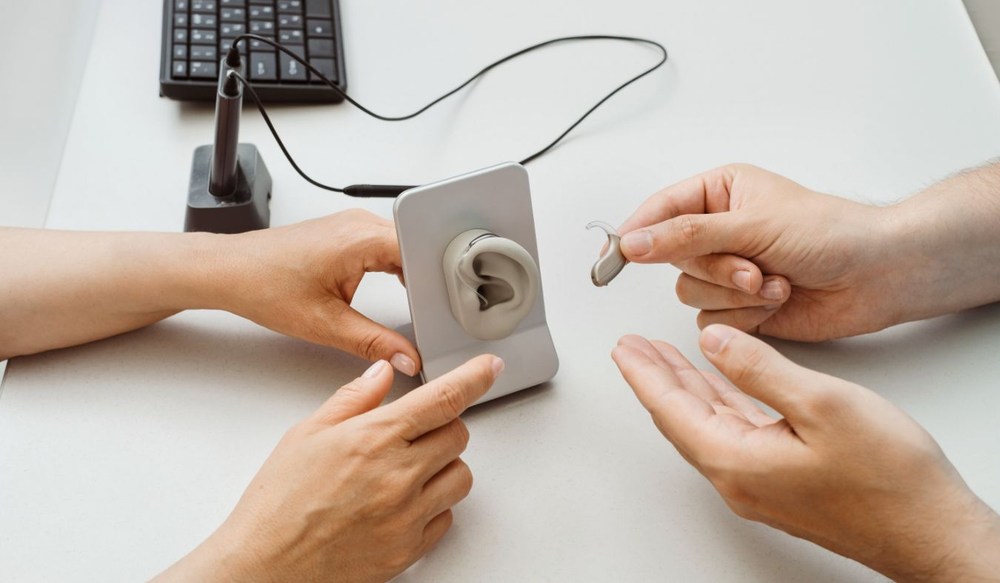
If your hearing loss is permanent, hearing aids are the most common way to stay part of the conversation.
These devices are designed to pick up the specific sounds you are missing and make them clear enough for you to understand again. They help separate voices from the background noise that often makes it so hard to follow what people are saying.
While they do not return your hearing to exactly how it used to be, they do make it much easier to keep up with friends and family without having to strain so hard.
Whether hearing loss can be reversed depends on many factors, including the cause and how quickly you seek help. If you notice any changes in your hearing, do not wait or guess about what might help. A hearing test provides clear answers about your options and helps protect your remaining hearing.
Our team at Michigan Ear Hearing Center of Ohio in Toledo is here to support you with information and care designed for your needs. If you have questions about types of hearing loss or available treatments, call (419) 873-5867 to schedule an appointment or learn more about your options.
Tags: hearing care for children, hearing loss and mental health, pediatric hearing loss
When you first notice that sounds are not as clear as they used to be, the
By: admin | February 20, 2026
Fall brings cooler temperatures, morning moisture and unpredictable
By: admin | December 21, 2025

When tinnitus shows up in your life, it can feel like you’re dealing
By: admin | August 21, 2025